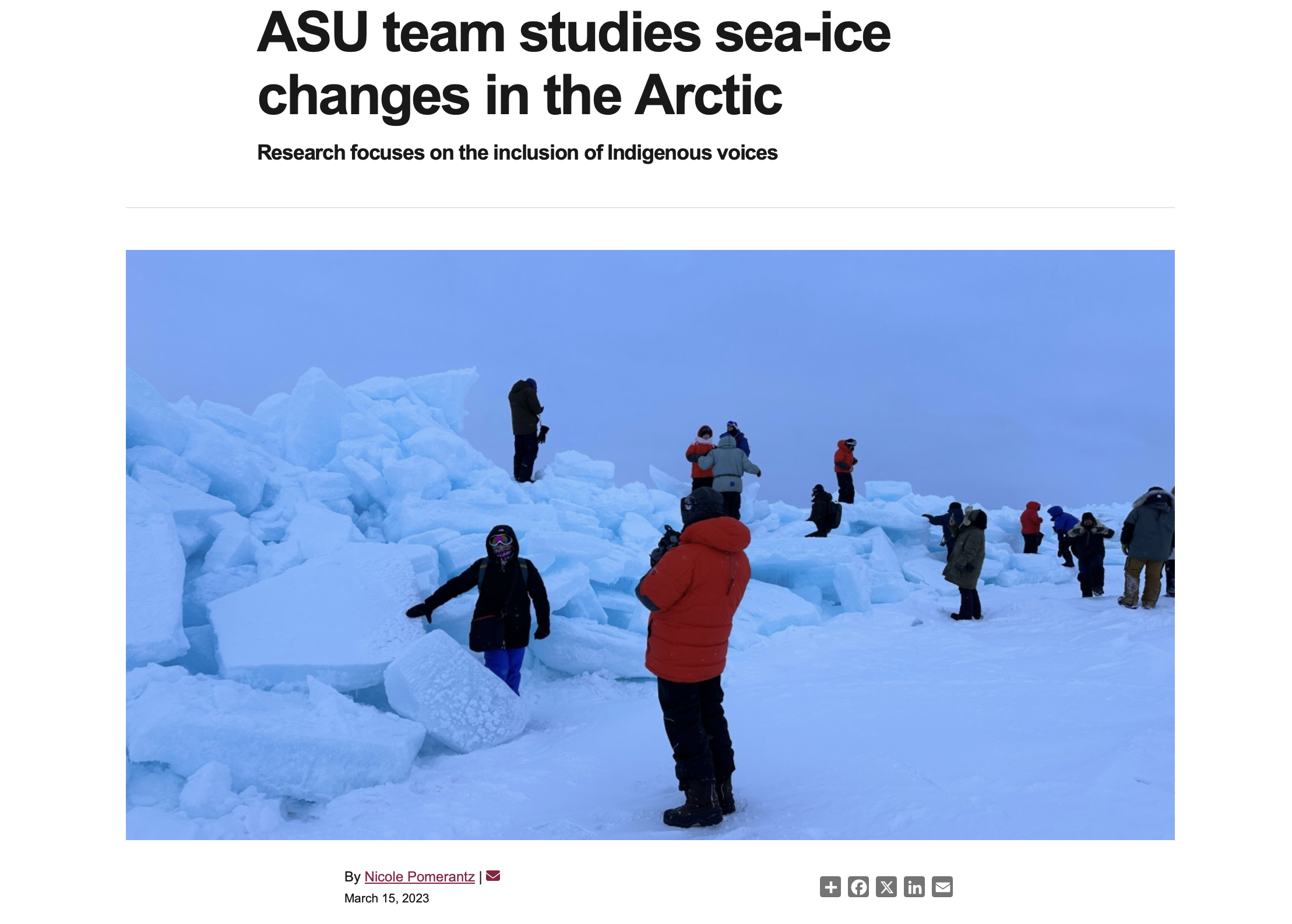
Maria Monakhova Ph.D.
Hi! My name is Masha and I am an early-career researcher living in Tempe, Arizona.
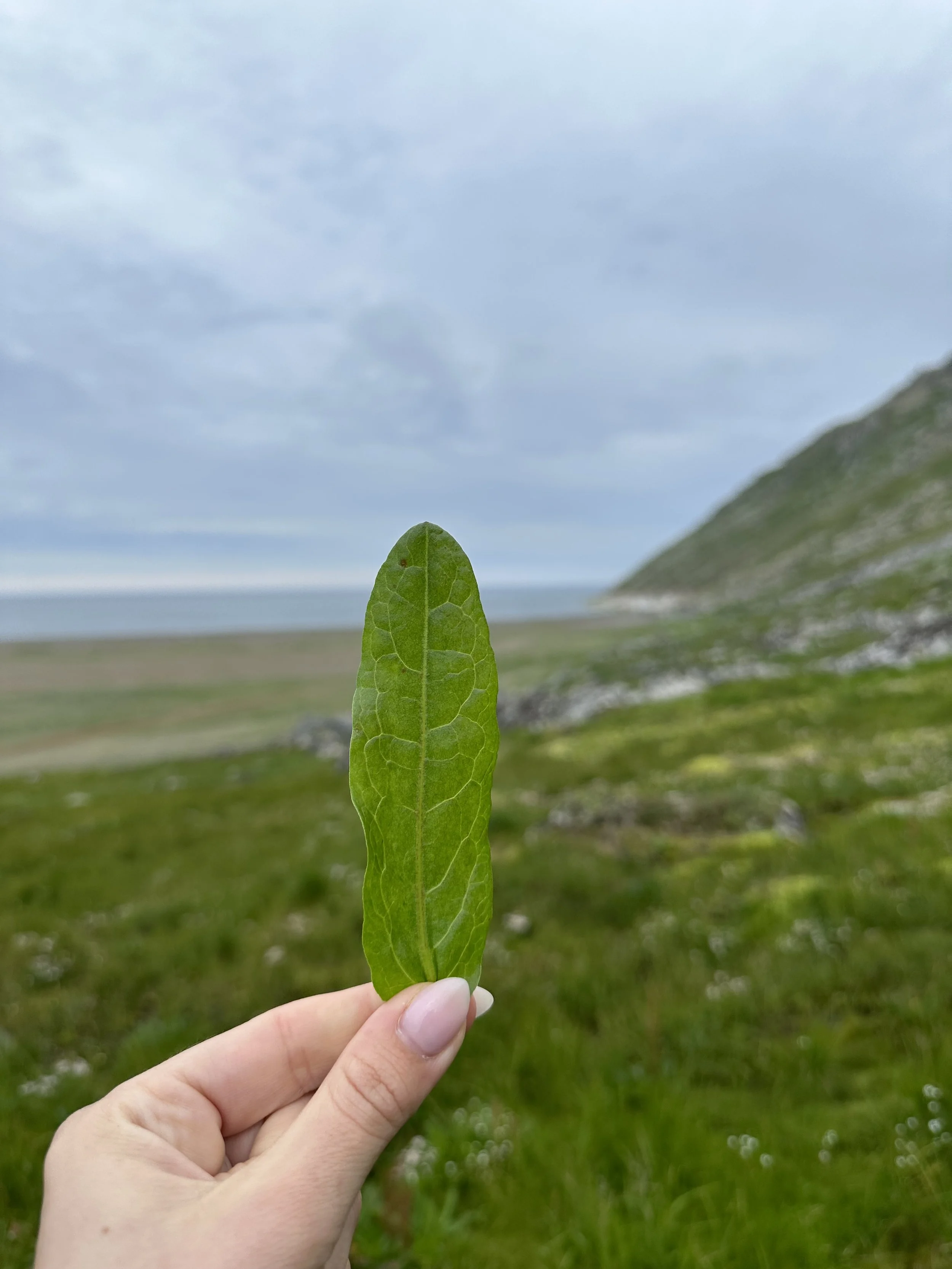
My research interests include community-based research, governance processes that shape research and decision-making, and sustainable development in Arctic and broader social–ecological systems.
Co-production of knowledge
My Work in Co-Production of Knowledge (CPK)
Much of my research centers on co-production of knowledge—collaborative approaches to research that bring together community expertise, scientific knowledge, and shared decision-making. My work focuses especially on Indigenous communities and the governance systems that shape research practices.
Fieldwork & Community Engagement
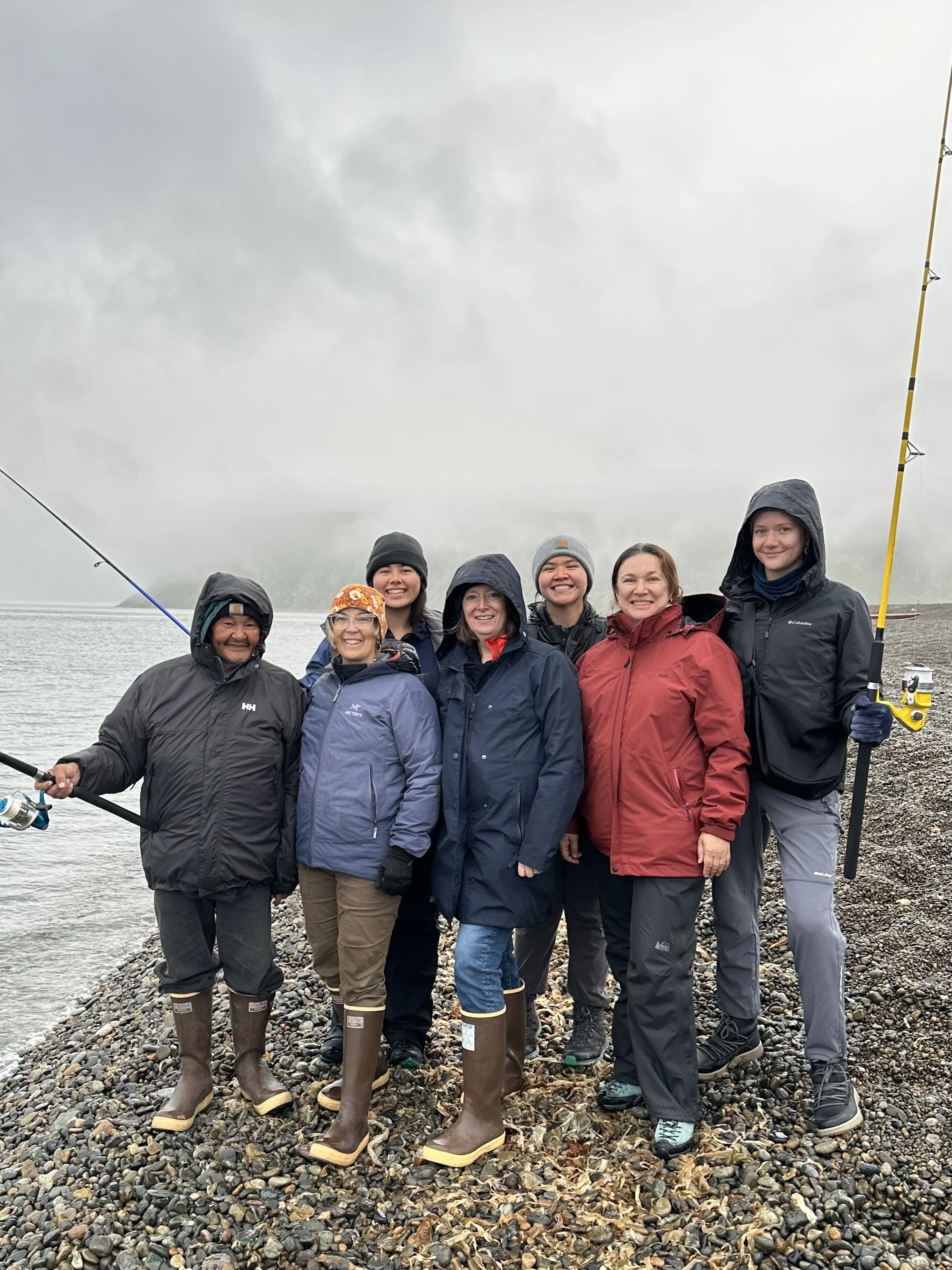
Sivuqaq (Gambell, Alaska)
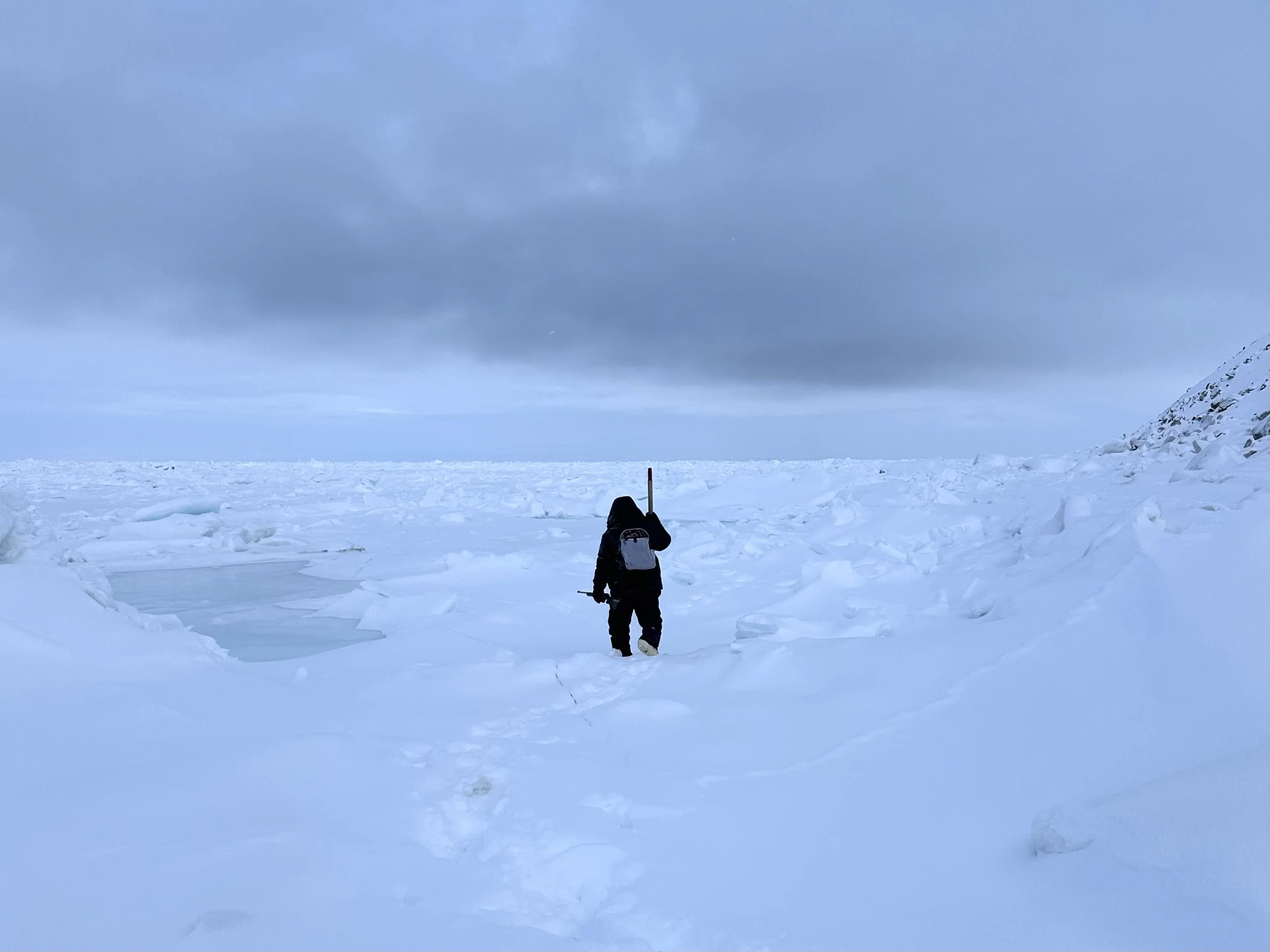
Participated in a multi-year research partnership (2018-2025) with the St. Lawrence Island Yupik community.
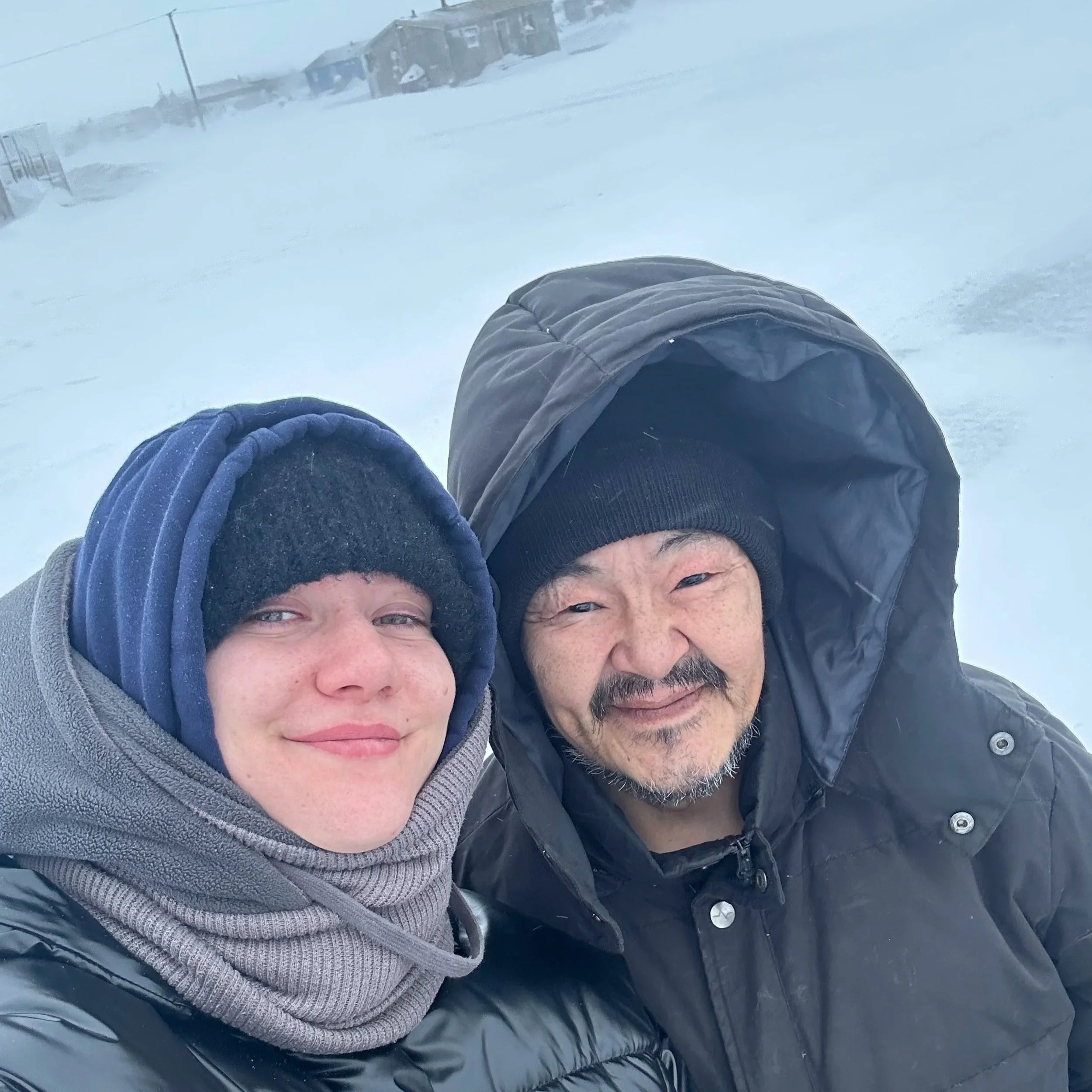
Worked with community collaborator Eddie Ungott to develop interview guides and conduct community interviews.
Organized local events, including:
School-based science & culture activities
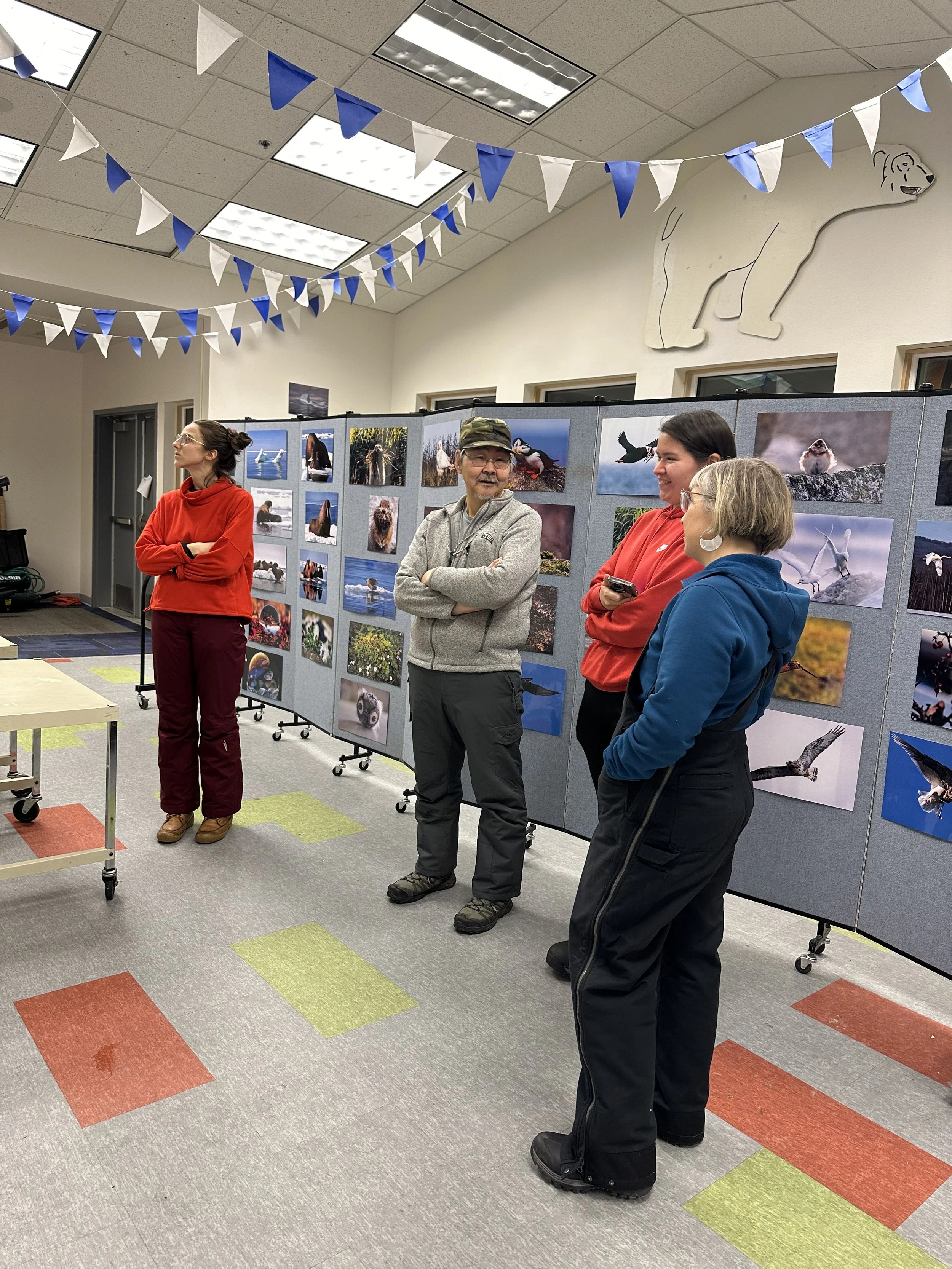
A community photo exhibition
Meetings with Elders, hunters, and local leaders
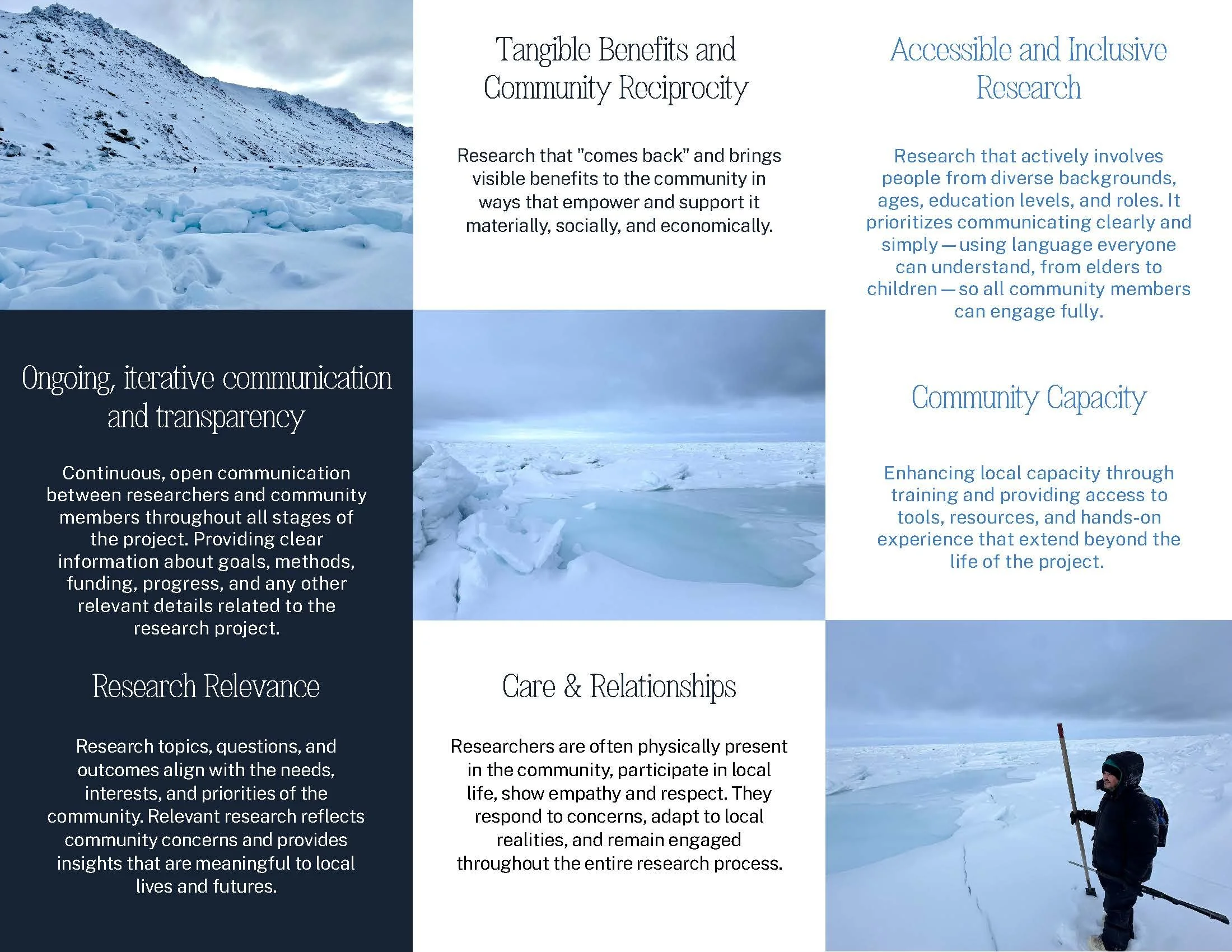
Documented community-defined expectations for respectful, reciprocal research.
LTTB, Michigan
PartParticipated in a two-year land-based intercultural workshop in northern Michigan on the homelands of the Little Traverse Bay Bands of Odawa Indians (LTBB). The program created a shared space for Arctic Indigenous Peoples, Anishnaabe community members, and researchers to learn through land-based practices, cultural expression, and collaborative activities.
Maintained a reflective journal throughout.
Developed Training
“Ethical for whom? Supporting early-career researchers to navigate ethical dilemmas in community-based Arctic research”
Workshop at Polar Early Career World Summit (PECWS) 2025
Co-led with Malory Peterson, Kate Ortenzi, May Wang, and Priscilla Frankson.
Designed interactive exercises based on real-world scenarios from Arctic community research.
Helped participants practice identifying ethical tensions, communication challenges, and decision-making tradeoffs.
Shared lessons from my work in Gambell and cross-regional projects to highlight common dilemmas in practice.
Published studies
Monakhova, M., York, A., Peterson, M. Pringle, J., BurnSilver, S., & Degai, T. (2025) Co-production of Arctic sea ice knowledge: A systematic review. Ambio. https://doi.org/10.1007/s13280-025-02303-9
Peterson, M., Monakhova, M., Maeroff, D., Arteaga, M., Anjolaoluwa, F. P., Frankson, P., Shaffer, L., Takata-Glushkoff, P. K., Begay, C., BurnSilver, S., Pfirman, S. & York, A. (2025). Preparing students and early-career researchers for ethical decision-making in community-engaged research in the Arctic. The Polar Journal, 1–24. https://doi.org/10.1080/2154896X.2025.2563477
In Review
Ortenzi, K.M., Le Moigne, A., Pinzner, A., Koops, S., Monakhova, M., Wang, M., Frankson, P., Tatata-Glushoff, K.P., Peterson M.K. From colonial legacies to equitable futures: Early Career Researchers on the Fifth International Polar Year, PLOS Climate
Policy & Governance
Published work
Multi-Level Salmon Governance in Kamchatka
Collaborative, Indigenous-led study that examines how the Itelmen community of Kovran (Kamchatka, Russia) navigates a highly centralized salmon governance system while sustaining long-standing relationships with salmon and the river.The study:
Analyzes multi-level governance, showing how decisions made at federal and regional levels affect Indigenous communities at the local level.
Maps how the state-imposed quota system, legal frameworks, and bureaucratic processes structure who can fish, where, and how much.
Describes obshchiny collectives—unique Indigenous-led institutions in Russia—and how they operate within (and struggle against) this governance system.
Documents how Itelmen knowledge holders and fishers adapt through sharing networks, mutual support, relational obligations, and traditional governance principles.
Identifies the structural features of the current system that make it maladaptive, reinforcing inequities and undermining community well-being.
Bowhead Whale Co-Management
This publication analyzes the governance system that supports bowhead whale management in Alaska, focusing on the co-management relationship between U.S. federal agencies and Alaska Native organizations.
Conducts a multi-level institutional analysis of bowhead whaling governance across the US and Russia.
Draws on Indigenous authors’ lived experiences, archival documents, co-management records, and IWC proceedings.
Examines how Chukchi, Iñupiat, St. Lawrence Island Yupik, and Siberian Yupik communities navigated, resisted, and reshaped whaling rules across local, regional, national, and international scales.
Shows how embodied resurgent practice (everyday cultural and subsistence practice) is central to Indigenous governance and resistance.
Municipal Programs and Sustainable Development in Russian Northern Cities
This study Reviews 33 municipal programs (with over 50 subprograms) active in 2018. It uses content analysis of program “passports” (Russian municipal planning documents) and adapts sustainability categories from the City of Whitehorse (Canada) to evaluate Russian Arctic programs and compare the types of sustainability issues both cities address and the funding structures behind them.
Projects
Dissertation Project
My dissertation, supported by an NSF Doctoral Dissertation Research Improvement Grant (DDRIG) in Arctic Social Sciences, examines how co-production of knowledge (CPK) is practiced and experienced within Arctic social–ecological research. Combining a systematic literature review with place-based work in Gambell, Alaska, the study explores how collaborative relationships are initiated, negotiated, and sustained across different stages of research. Working with community collaborator Eddie Ungott, I documented community-defined principles of “good” research through interviews, and then interviewed project leaders who have worked in Gambell to analyze the practices, decisions, and structures that shape their community-based work. Through interviews and comparative analysis, I identify the relational, procedural, and structural factors that support equitable collaboration. The dissertation offers empirical insights to strengthen ethical research practices, contributing applied, practice-oriented guidance for teams working across Arctic community and research contexts.
ARC-NAV (2020-2025)
From 2020 to 2025, I worked as a part of ARC-NAV (Arctic Robust Communities – Navigating Adaptation to Variability), an NSF Navigating the New Arctic (NNA) project focused on how communities in the Beringia region respond to and navigate rapid sea-ice change. Working alongside partners at ASU, McGill, Columbia, UAF, and UNI, I contributed to research on salmon governance and adaptation to institutional change in Indigenous fishing communities (Degai et al., 2025), ethical decision-making in community-based research (Peterson et al., 2025), Arctic engagement through games (Pfirman et al., in review), and institutional navigation of oceans governance (Yorl et al., 2022). My involvement included multiple fieldwork trips to Sivuqaq (Gambell, Alaska) where I supported community events, conducted interviews, and disseminated project results.
As part of this work, I led a photo exhibition at John Apangalook School as part of the ARC-NAV annual meeting, which took place alongside the community’s annual science fair. Working closely with a local photographer Buddy Ungwiluk, we collaboratively selected the photographs and arranged them to tell a cohesive story. The exhibit served as both a collaborative outreach effort and a space for dialogue—highlighting community voices, celebrating local knowledge, and strengthening relationships between residents and the research team.
See more of Buddy’s work here.
Arctic PIRE (2018-2020)
As a master’s student at the University of Northern Iowa, I contributed to the Arctic PIRE project (Promoting Urban Sustainability in the Arctic), an NSF-sponsored international research network focused on fostering dialogue about Arctic urban sustainability among policymakers, educators, and the public. In this role, I examined sustainable development in Russian northern cities, particularly in Murmansk and Magadan (Degai et al., 2021), and helped systematize and compare local policy visions using a UN SDG–inspired framework.
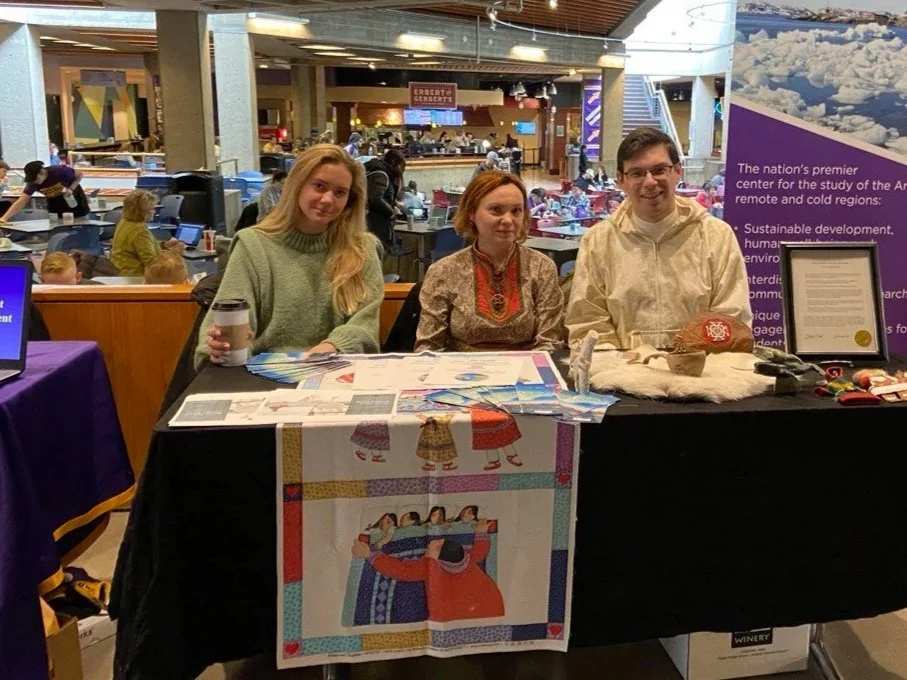
Community Distribution Materials
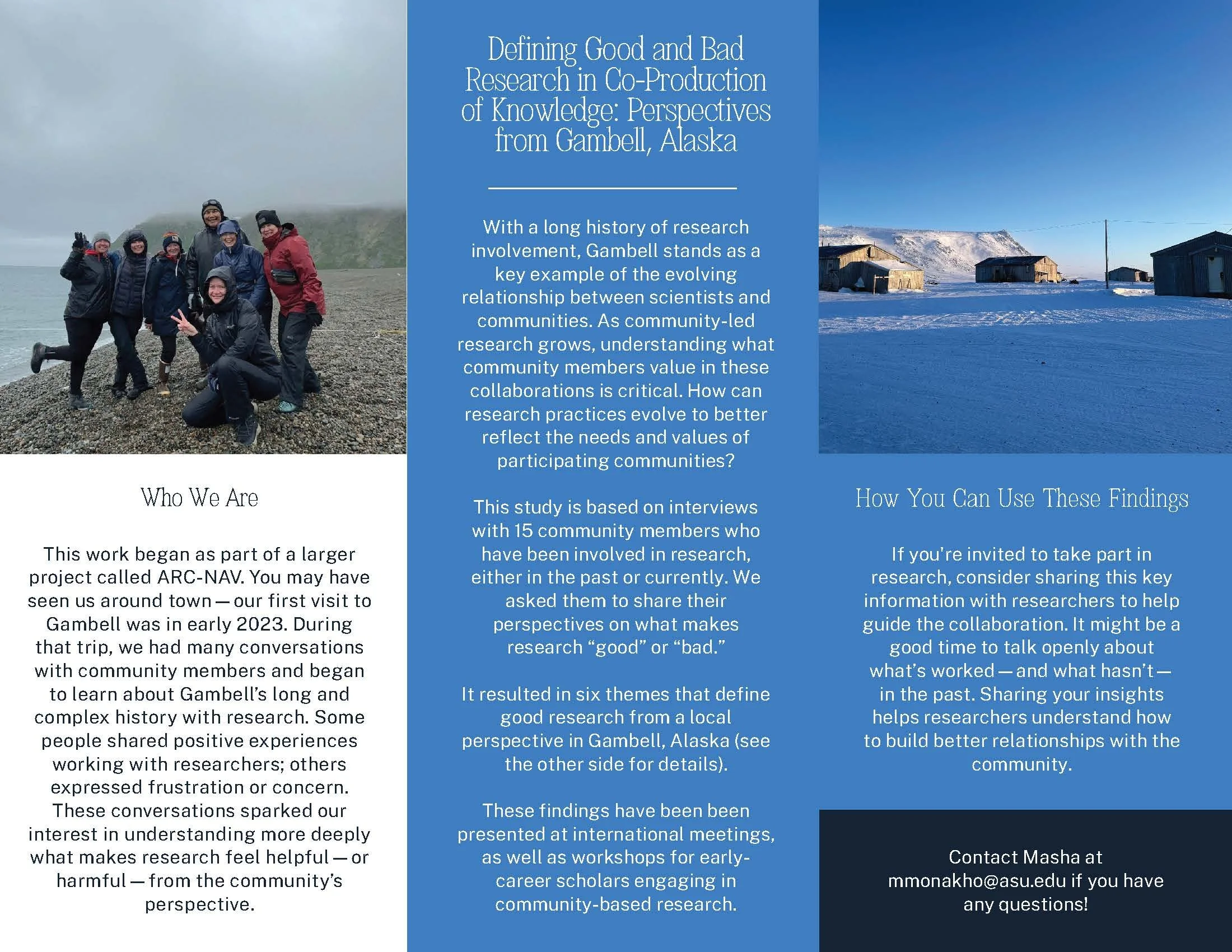
Dissertation Research
All Publications
Journal Articles
Monakhova, M., York, A., Peterson, M. Pringle, J., BurnSilver, S., & Degai, T. (2025) Co-production of Arctic sea ice knowledge: A systematic review. Ambio. https://doi.org/10.1007/s13280-025-02303-9
Peterson, M., Monakhova, M., Maeroff, D., Arteaga, M., Anjolaoluwa, F. P., Frankson, P., Shaffer, L., Takata-Glushkoff, P. K., Begay, C., BurnSilver, S., Pfirman, S. & York, A. (2025). Preparing students and early-career researchers for ethical decision-making in community-engaged research in the Arctic. The Polar Journal, 1–24. https://doi.org/10.1080/2154896X.2025.2563477
Degai, T., Monakhova, M., Petrov, A., Sharakhmatova, V. N., & Vasilieva, Y. (2025). Multi-level salmon governance and adaptation to institutional change in Indigenous fishing communities in Kamchatka, Russia. Earth System Governance, 26, 100295. https://doi.org/10.1016/j.esg.2025.100295
York, A. M., Zdor, E., BurnSilver, S., Degai, T., Monakhova, M., Isakova, S., Petrov, A. N., & Kempf, M. (2022). Institutional navigation of oceans governance: Lessons from Russia and the United States Indigenous multi-level whaling governance in the Arctic. Earth System Governance, 14, [100154]. https://doi.org/10.1016/j.esg.2022.100154 [citations = 7]
Degai, Tatiana S., Khortseva, Natalia, Monakhova, & Petrov, Andrey N. (2021). Municipal Programs and Sustainable Development in Russian Northern Cities: Case Studies of Murmansk and Magadan. Sustainability 13, no. 21: 12140. https://doi.org/10.3390/su132112140 [citations = 5]
Book Chapters
2020 Millsaps, Lisa, Larsen, Thomas, Curtis, Mary, and Monakhova, Maria. Geography Education and the Borderlands: Using a Marginalized Discipline to Teach about the Margins. In Walter and Fuerst-Bjelis (Eds.), Globalization, Marginalization and Conflict - Political, Economic and Social Processes, in press. New York: Springer. [citations = 19]
In Review
Ortenzi, K.M., Le Moigne, A., Pinzner, A., Koops, S., Monakhova, M., Wang, M., Frankson, P., Tatata-Glushoff, K.P., Peterson M.K. From colonial legacies to equitable futures: Early Career Researchers on the Fifth International Polar Year, PLOS Climate
Pfirman, S., Petrov, A., Takata-Glushkoff, K.P., Degai, T., Borillo, G.G., Monakhova M.,
York, A. Inside Out and Outside In: Reflections on facilitating Arctic engagement through games with Arctic and non-Arctic participants. Co-Creating Sustainable Futures: Capacity Sharing in Circumpolar Regions. BRILL, Arctic Humanities series
Other
eLetter: Petrov A., Degai T., Hinmon D., Korkina-Williams V., Ksenofontov S., Kuklina V., Mokryi A., Monakhova M., Sharakhmatova V., Sulyandziga P. (2024) The Path to Knowledge Co-Creation Must be Indigenous-Led: Introducing a Campfire Model, Science. https://www.science.org/doi/10.1126/science.ads7901#elettersSection